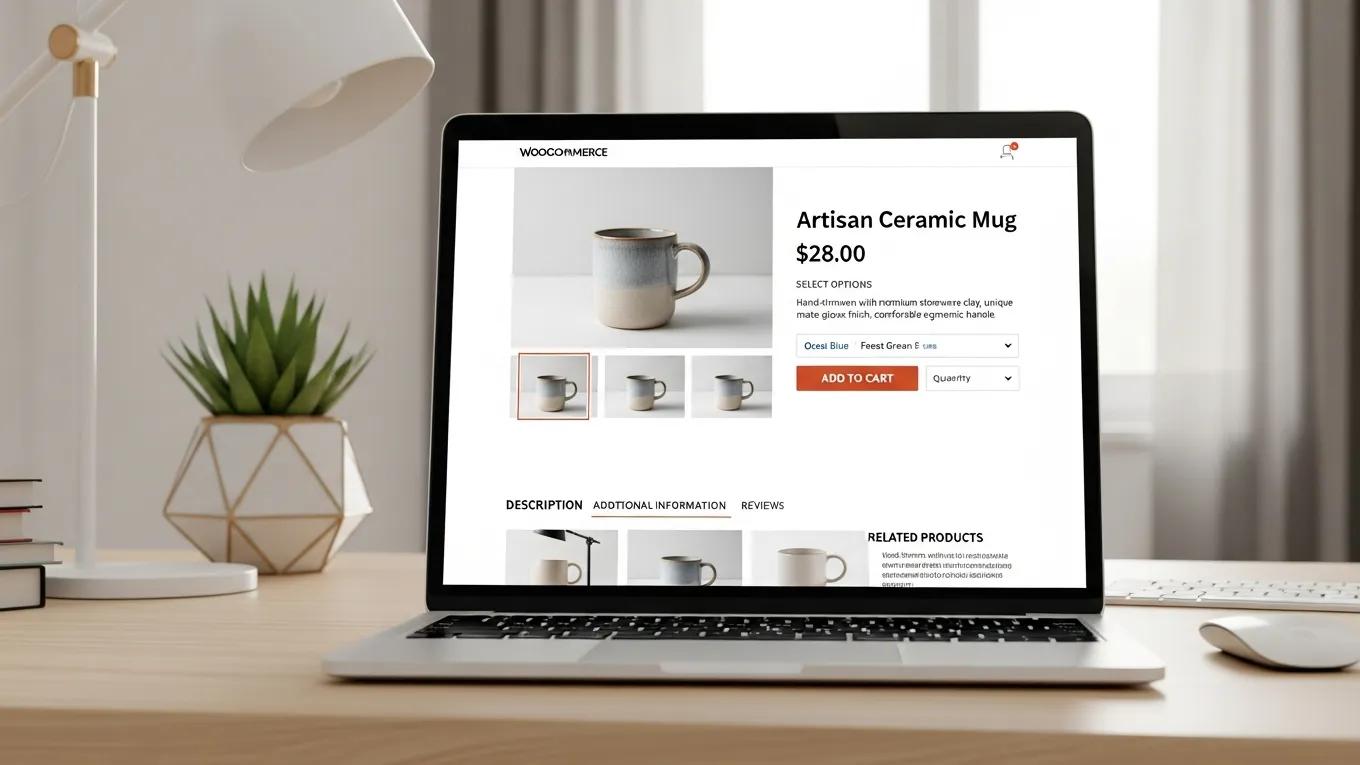
Step-by-Step Guide to Setting Up a WordPress E-Commerce Store with WooCommerce
By David G., WP Support Lab
Setting up a WordPress e-commerce store can seem daunting, but with the right guidance, it becomes a manageable and rewarding endeavor. This article will walk you through the essential steps to successfully launch your online store using WooCommerce, a powerful and flexible plugin for WordPress. You will learn how to install and configure WooCommerce, select payment gateways, customize your store’s appearance, manage products, and optimize your store for search engines. Many aspiring entrepreneurs struggle with the technical aspects of e-commerce, but this guide provides clear, actionable steps to help you overcome these challenges. By the end of this article, you will have a comprehensive understanding of how to set up your WordPress e-commerce store effectively.
How do you install and configure WooCommerce on WordPress?
Installing and configuring WooCommerce on WordPress is a straightforward process that involves several key steps. WooCommerce is a plugin that transforms your WordPress site into a fully functional e-commerce store, allowing you to sell products and services online. The installation process is designed to be user-friendly, making it accessible even for those with limited technical skills. The benefits of using WooCommerce include its extensive customization options and a wide range of features that cater to various business needs.
What are the essential WooCommerce installation steps?
To install WooCommerce, follow these essential steps:
- Choose a reliable hosting provider: Select a hosting service that supports WordPress and offers good performance and security.
- Install the WooCommerce plugin: Navigate to the WordPress dashboard, go to Plugins, and search for WooCommerce. Click “Install” and then “Activate.”
- Run the setup wizard: After activation, WooCommerce will prompt you to run a setup wizard. This wizard will guide you through configuring your store settings, including currency, payment methods, and shipping options.
These steps will set the foundation for your e-commerce store, allowing you to move on to the next phase of configuration.
How to configure WooCommerce settings for your online store?
Configuring WooCommerce settings is crucial for tailoring your store to meet your business needs. Here are the key configuration options:
- Select a suitable theme: Choose a WordPress theme that is compatible with WooCommerce to ensure a seamless shopping experience.
- Add and organize products: Use the WooCommerce interface to add products, set prices, and categorize them for easy navigation.
- Set up payment and shipping options: Configure payment gateways and shipping methods to provide customers with flexible options during checkout.
By carefully configuring these settings, you can create a user-friendly shopping experience that encourages sales.
Which payment gateways can you integrate with WooCommerce?
WooCommerce supports a variety of payment gateways, allowing you to choose the best options for your business. Integrating payment gateways is essential for processing transactions securely and efficiently. The flexibility of WooCommerce means you can cater to different customer preferences, enhancing their shopping experience.
Beyond traditional options, WooCommerce’s flexibility extends to integrating specialized payment solutions, such as cryptocurrency gateways, to cater to evolving market demands.
WordPress WooCommerce Payment Gateway Integration
To achieve this goal, an e-commerce website based on the WordPress content management system (CMS) with the WooCommerce plugin will be built. This plugin will incorporate a cryptocurrency payment gateway and facilitate transaction design.
Design of a WordPress Based E-Commerce Website and Integration of Cryptocurrency Payment Gateway, 2024
What are the best WooCommerce payment gateway options?
Some of the best payment gateway options for WooCommerce include:
- PayPal: A widely recognized and trusted payment processor that offers easy integration and various payment options.
- Stripe: Known for its developer-friendly API, Stripe allows for seamless payment processing and supports multiple currencies.
- Square: Ideal for businesses that also have a physical presence, Square integrates online and offline sales.
These gateways provide reliable and secure payment processing, ensuring customer trust and satisfaction.
How to set up and manage payment gateway integration?
To set up and manage payment gateway integration in WooCommerce, follow these steps:
- Access payment settings: In the WooCommerce settings, navigate to the “Payments” tab to view available gateways.
- Choose payment gateways: Enable the desired payment gateways and configure their settings according to your business requirements.
- Test the payment process: Before going live, conduct test transactions to ensure that the payment process works smoothly.
By effectively managing your payment gateways, you can provide a seamless checkout experience for your customers.
How do you select and customize WordPress themes for your e-commerce store?
Selecting and customizing the right WordPress theme is vital for creating an appealing and functional e-commerce store. A well-designed theme enhances user experience and can significantly impact conversion rates. WooCommerce offers a range of themes specifically designed for online stores, making it easier to find one that suits your brand.
What are the top WordPress e-commerce themes compatible with WooCommerce?
Some of the top WordPress e-commerce themes compatible with WooCommerce include:
- Astra: A lightweight and customizable theme that offers various pre-built templates for e-commerce.
- Storefront: The official WooCommerce theme, designed for seamless integration and optimal performance.
- OceanWP: A versatile theme that provides extensive customization options and is suitable for various types of online stores.
These themes provide a solid foundation for your e-commerce site, allowing for easy customization and branding.
How to customize themes for optimal store appearance and usability?
Customizing your theme involves several key steps:
- Use the WordPress Customizer: Access the Customizer to modify your theme’s appearance, including colors, fonts, and layout.
- Optimize for mobile: Ensure that your theme is responsive and provides a good user experience on mobile devices.
- Test customizations: After making changes, preview your site to ensure that all elements function correctly and look appealing.
Effective customization can significantly enhance the usability and aesthetic appeal of your online store.
What are the key steps for managing products and optimizing your WooCommerce store?
Managing products effectively is crucial for maintaining a successful e-commerce store. This involves not only adding and organizing products but also optimizing them for search engines to increase visibility. A well-managed product catalog can lead to higher sales and improved customer satisfaction.
How to add and manage products effectively in WooCommerce?
To add and manage products in WooCommerce, follow these steps:
- Add new products: Use the “Add Product” feature in WooCommerce to input product details, including title, description, price, and images.
- Organize products into categories: Create categories to help customers navigate your store easily and find what they are looking for.
- Set pricing and variations: Configure pricing options, including discounts and variations for different product attributes.
By effectively managing your product catalog, you can enhance the shopping experience and drive sales.
What SEO best practices improve WooCommerce store visibility?
Implementing SEO best practices is essential for improving your WooCommerce store’s visibility in search engines. Here are some key strategies:
- Optimize store speed: Ensure that your website loads quickly to reduce bounce rates and improve user experience.
- Use descriptive titles and meta descriptions: Craft unique and relevant titles and descriptions for each product to enhance search engine rankings.
- Implement structured data: Use schema markup to help search engines understand your product information better, which can improve visibility in search results.
By following these SEO best practices, you can increase your store’s chances of being discovered by potential customers.
This table summarizes the key features and integration ease of popular payment gateways, helping you make an informed decision for your WooCommerce store.
In conclusion, setting up a WordPress e-commerce store with WooCommerce involves several essential steps, from installation and configuration to product management and WordPress support optimization. By following this guide, you can create a successful online store that meets your business needs and provides a great shopping experience for your customers.
To further enhance your online presence, consider using an AI website builder for streamlined design and functionality.
For those seeking professional assistance, WordPress development services can provide tailored solutions to meet your specific needs.