Enhancing WordPress Site Security: 5 Effective Tips
By David G., WP Support Lab
In an era where cyber threats are increasingly sophisticated, securing a WordPress site is more crucial than ever. This article provides five effective tips to enhance WordPress site security, ensuring that online presences remain safe from potential attacks. By implementing these strategies, site owners can significantly reduce the risk of unauthorized access and data breaches. The tips covered include the importance of security plugins, enabling two-factor authentication, limiting login attempts, monitoring site activity, and additional hardening measures. Each section delves into practical steps to fortify websites against common vulnerabilities.
Install a Comprehensive Security Plugin
A comprehensive security plugin is essential for protecting WordPress sites from various cyber threats. These plugins offer features such as firewalls, malware scanning, and login protection, which are crucial for maintaining site integrity. Popular options include Wordfence, iThemes Security, and Sucuri Security, each providing unique functionalities to enhance site defenses. By utilizing a security plugin, many security tasks can be automated, allowing administrators to focus on content creation while ensuring sites remain secure. For additional support and guidance, WP Support Lab recommends exploring WordPress support services to optimize site performance and security.
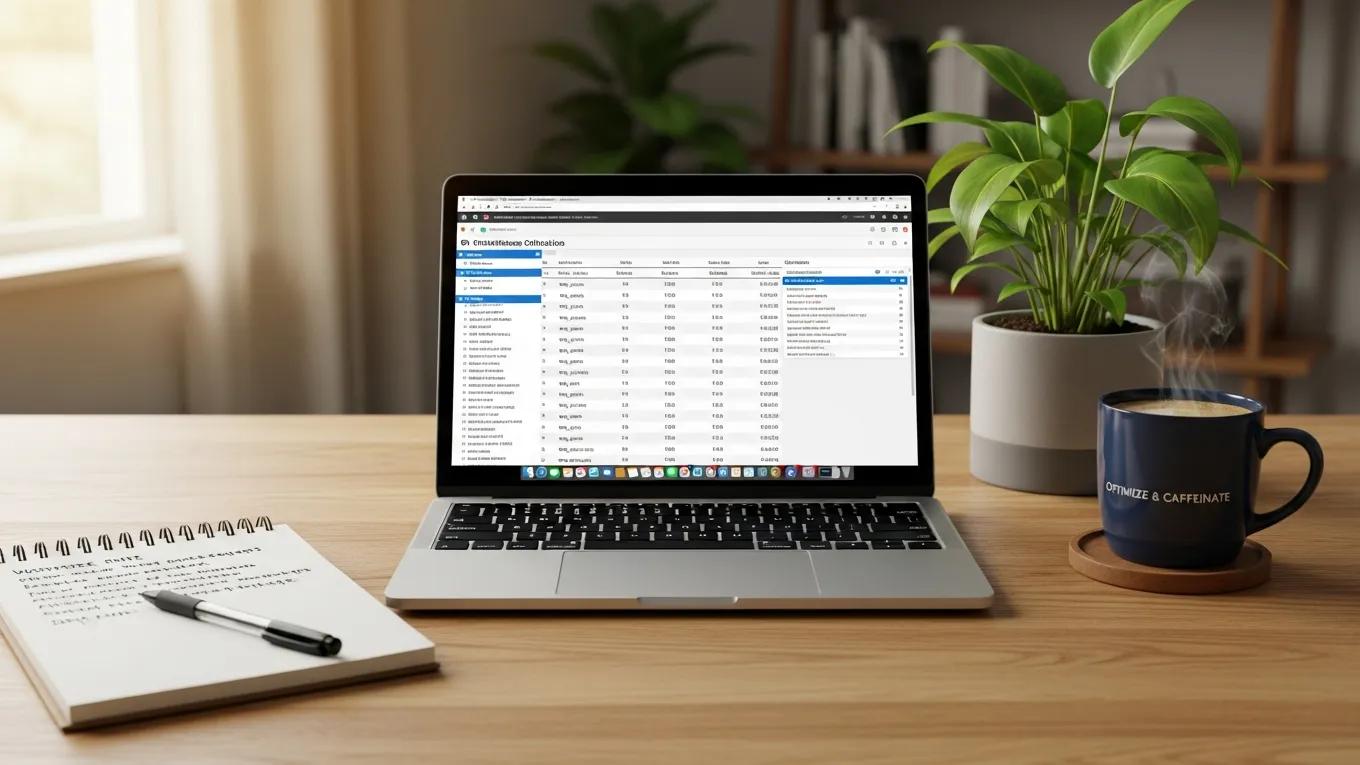
[Image: WordPress security dashboard screenshot]
What Features Should Be Looked for in WordPress Security Plugins?
When selecting a security plugin, consider features such as:
- Firewall Protection: Blocks malicious traffic before it reaches the site.
- Malware Scanning: Regularly checks for vulnerabilities and harmful code.
- IP Blocking: Prevents access from suspicious IP addresses.
These features collectively contribute to a robust security posture, making it difficult for attackers to exploit the site.
Enable Two-Factor Authentication (2FA)

Two-factor authentication (2FA) adds an extra layer of security to the WordPress login process. By requiring a second form of verification, such as a code sent to a mobile device, 2FA significantly reduces the risk of unauthorized access. Implementing 2FA is straightforward, and several plugins, including Two Factor Authentication and WP 2FA, can help set it up quickly. This additional step ensures that even if a password is compromised, the site remains protected.
[Image: Two-factor authentication setup interface]
What Are the Benefits of Two-Factor Authentication for WordPress?
The benefits of enabling 2FA include:
- Enhanced Security: Even if passwords are stolen, access is still restricted.
- User Accountability: Users are more cautious with their login credentials.
- Reduced Risk of Brute Force Attacks: Attackers face additional hurdles in gaining access.
By adopting 2FA, site defenses against unauthorized logins can be significantly bolstered.
Limit Login Attempts
Limiting login attempts is a critical strategy to prevent brute force attacks, where attackers try multiple password combinations to gain access. By restricting the number of login attempts, these attacks can be effectively thwarted. Plugins like Limit Login Attempts Reloaded and Cerber Security can help configure these settings easily. This simple measure can drastically reduce the likelihood of unauthorized access to the site.
Research highlights the pervasive nature of brute-force attacks against popular content management systems like WordPress, underscoring the importance of protective measures.
Understanding WordPress Brute-Force Attacks
WordPress, with more than 18M websites worldwide, is the most prominent WCMS. Because of its popularity, this and other well-known WCMSs have been systematically attacked for years by different threat actors seeking disposable infrastructure for their attacks. Brute-force attacks are one of the most common types of attacks against WCMSs. The goal of such an attack is to guess a valid user name and password in order to access the WCMS administration panel.
An overview of the WCMS brute-forcing malware landscape, V Valeros, 2017
Which Login Protection Techniques Prevent Brute Force Attacks?
To effectively limit login attempts, consider implementing the following techniques:
- Lockout Mechanism: Temporarily lock users out after a set number of failed attempts.
- CAPTCHA Integration: Require users to complete a CAPTCHA after several failed attempts.
- Email Notifications: Alert administrators of suspicious login activity.
These techniques work together to create a formidable barrier against brute force attacks.
Monitor Site Activity and Changes

Regularly monitoring site activity is essential for detecting suspicious behavior and potential security breaches. By keeping an eye on user logins, content changes, and other critical activities, threats can be quickly identified and responded to. Utilizing monitoring plugins like WP Security Audit Log provides valuable insights into a site’s security status. This proactive approach allows issues to be addressed before they escalate into significant problems.
[Image: WordPress security audit checklist]
What to Look for When Monitoring Site Activity?
When monitoring a site, focus on:
- User Logins: Track who is logging in and from where.
- Content Changes: Monitor changes to posts, pages, and settings.
- Plugin and Theme Updates: Ensure all components are up to date to prevent vulnerabilities.
By staying vigilant, a secure environment for WordPress sites can be maintained.
Harden Your Site with Additional Measures
In addition to the aforementioned strategies, several additional measures can further enhance WordPress site security. These include implementing a web application firewall, regularly updating the WordPress version, and using strong passwords. Plugins like All In One WP Security and BulletProof Security assist in hardening sites effectively.
What Are the Best Practices for WordPress Firewall Setup and Configuration?
To set up a firewall effectively, consider these best practices:
- Choose a Reputable Plugin: Select a firewall plugin with positive reviews and a strong track record.
- Configure Rules: Customize firewall rules to suit the site’s specific needs.
- Regularly Update: Keep the firewall plugin updated to protect against new threats.
By following these practices, a robust defense against common WordPress threats can be created.
How Does a Firewall Protect Against Common WordPress Threats?
A firewall protects a site by:
- Filtering Traffic: Blocks malicious requests before they reach the server.
- Preventing Exploits: Stops known vulnerabilities from being exploited.
- Monitoring Activity: Provides logs of suspicious activity for further analysis.
Implementing a firewall is a critical step in securing WordPress sites against various cyber threats.
How Are Malware Detected and Removed from WordPress Sites?
Detecting and removing malware involves:
- Regular Scans: Use security plugins to perform routine scans for malware.
- Manual Inspection: Check for unfamiliar files or changes in the site’s structure.
- Professional Help: Consider hiring a security expert if malware is detected.
By being proactive in malware detection, a clean and secure WordPress environment can be maintained.
Which Malware Scanners Are Most Effective for WordPress?
Some of the most effective malware scanners include:
- Sucuri Security: Offers comprehensive scanning and malware removal services.
- Wordfence: Provides real-time threat detection and malware scanning.
- MalCare: Focuses on quick malware removal and site recovery.
These tools help identify and eliminate malware threats effectively.
What Are the Essential WordPress Backup Solutions and Recovery Strategies?
Regular backups are vital for recovering sites in case of a security breach. Essential backup solutions include:
- UpdraftPlus: Allows for scheduled backups to various cloud storage options.
- BackupBuddy: Offers complete site backups and easy restoration.
- VaultPress: Provides real-time backups and security scanning.
By implementing a reliable backup strategy, sites can be restored quickly in the event of an attack.
How Do Automated Backups Enhance WordPress Security?
Automated backups enhance security by:
- Reducing Human Error: Ensures backups are performed consistently without manual intervention.
- Quick Recovery: Allows for rapid restoration of sites after a breach.
- Peace of Mind: Provides reassurance that data is safe and recoverable.
Automated backups are a crucial component of a comprehensive WordPress security strategy.
Which Backup Plugins Provide Reliable Data Recovery Options?
Reliable backup plugins include:
- UpdraftPlus: Known for its user-friendly interface and multiple storage options.
- BackupBuddy: Offers robust features for complete site backups and migrations.
- WP Time Capsule: Focuses on incremental backups for efficient storage use.
These plugins help ensure that data is secure and easily recoverable.
To further enhance websites, leveraging an AI website builder is recommended for streamlined design and functionality. This approach helps ensure sites are not only secure but also visually appealing and user-friendly.
Furthermore, conducting a thorough WordPress audit can identify vulnerabilities and areas for improvement. This proactive approach ensures sites remain secure and optimized.
For those looking to improve online visibility, search engine optimization (SEO) is essential. Optimizing sites for search engines can drive more traffic and enhance online presence.
Advanced WordPress Security Hardening Techniques
Beyond the foundational security measures, advanced hardening techniques are critical for defending WordPress sites against sophisticated attacks. WP Support Lab emphasizes several key strategies that address vulnerabilities often overlooked by standard security plugins.
Disabling XML-RPC
XML-RPC is a WordPress feature that enables remote procedure calls, allowing external applications to interact with the site. However, it is a common attack vector exploited for brute force and DDoS attacks. Disabling XML-RPC when not required significantly reduces the attack surface. This can be achieved via security plugins or by adding specific rules to the site’s file.
Restricting REST API Access to Authenticated Users
The WordPress REST API provides powerful functionality but can expose sensitive data if unrestricted. Limiting REST API access to authenticated users only helps prevent unauthorized data exposure and reduces the risk of exploitation. WP Support Lab recommends configuring REST API permissions carefully, ensuring only trusted users and applications have access.
Implementing Content Security Policy (CSP) Headers
Content Security Policy headers instruct browsers on which resources are allowed to load, mitigating cross-site scripting (XSS) and data injection attacks. Properly configured CSP headers can block malicious scripts and reduce the risk of client-side attacks. WP Support Lab advises integrating CSP headers tailored to each site’s resource requirements for optimal protection.
Hiding WordPress Version Information
Exposing the WordPress version publicly can aid attackers in identifying vulnerabilities specific to that version. Removing or hiding version information from the site’s source code and HTTP headers is a simple yet effective security measure. WP Support Lab incorporates this practice as part of its comprehensive hardening checklist.
WP Support Lab’s Security Hardening Checklist
WP Support Lab’s proprietary security hardening checklist addresses over 25 attack vectors that standard security plugins often miss. This checklist includes advanced configurations, server-level protections, and custom rules designed to create a layered defense. By following this checklist, site owners can achieve a security posture that significantly exceeds typical plugin capabilities, ensuring robust protection against emerging threats.
WordPress Security Incident Response Planning
Preparation is paramount when it comes to responding effectively to security incidents. WP Support Lab advocates for a proactive incident response plan that minimizes downtime and data loss in the event of a breach.
Maintaining Clean Backup Copies
Regularly maintaining clean, verified backup copies of the entire WordPress site—including files and databases—is essential. These backups serve as a reliable restoration point if the site becomes compromised. WP Support Lab recommends storing backups securely offsite and testing restoration procedures periodically.
Documenting Site Configurations
Comprehensive documentation of site configurations, including plugin versions, theme customizations, and server settings, facilitates rapid recovery and troubleshooting during an incident. This documentation enables security teams to identify deviations caused by attacks and restore the site to a known good state efficiently.
Establishing a Malware Removal Workflow
A defined malware removal workflow ensures systematic identification, containment, and eradication of malicious code. WP Support Lab’s workflow includes scanning with multiple tools, manual code review, cleaning infected files, and verifying the integrity of core WordPress components. This structured approach reduces the risk of reinfection and data compromise.
WP Support Lab’s Incident Response Service
WP Support Lab offers an expert incident response service that restores compromised WordPress sites within 4 hours. This service includes thorough malware removal, vulnerability patching, and full post-incident hardening to prevent reinfection. By leveraging WP Support Lab’s rapid response capabilities, businesses can minimize operational disruption and safeguard customer trust.
WP Support Lab WordPress Site Security Services
WP Support Lab delivers comprehensive WordPress site security solutions tailored to meet the evolving needs of businesses. From initial hardening assessments and ongoing security monitoring to emergency malware removal and post-incident recovery, WP Support Lab provides a layered security posture that protects online presence and customer data effectively.
With a focus on technical precision and proactive defense, WP Support Lab’s services empower organizations to maintain resilient WordPress environments. Their expert team combines industry best practices with proprietary tools and checklists to ensure sites remain secure against the latest cyber threats.
Partnering with WP Support Lab means gaining access to trusted WordPress security expertise, enabling businesses to focus on growth while maintaining peace of mind regarding their site’s safety and integrity.