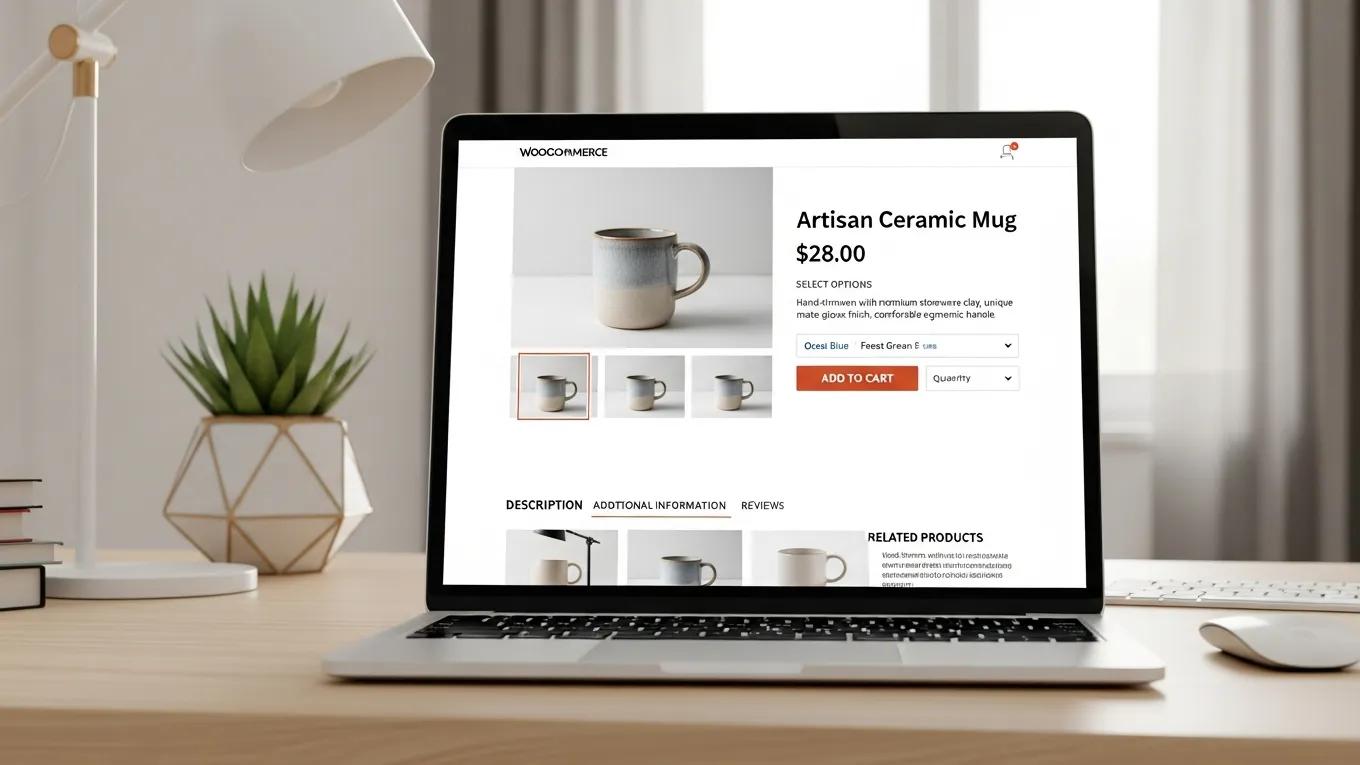
Building a WordPress E-commerce Store: 5 Proven Steps to Set Up and Optimize Your WooCommerce Online Shop
By David G., WP Support Lab
Creating a successful e-commerce store can seem daunting, but with the right approach, it becomes a manageable and rewarding endeavor. This guide will walk you through the essential steps to build a WordPress e-commerce store using WooCommerce, a powerful and flexible plugin that transforms your website into a fully functional online shop. You will learn how to choose the right e-commerce plugin, set up hosting and SSL, customize your store design, add products and payment options, and finally, test and launch your store. By following these steps, you can effectively address common challenges faced by new online retailers and set the stage for a thriving e-commerce business.
Choose the Right E-commerce Plugin:
Selecting the right e-commerce plugin is crucial for the functionality and success of your online store. WooCommerce stands out as a leading choice due to its extensive features, flexibility, and user-friendly interface. It allows you to manage products, payments, and shipping seamlessly, making it an ideal solution for both beginners and experienced developers. Additionally, WooCommerce integrates well with various themes and plugins, enhancing your store’s capabilities. Understanding the essential functionalities of WooCommerce compared to other plugins can help you make an informed decision that aligns with your business goals.
Set Up Hosting and SSL:

Choosing a reliable hosting provider is a foundational step in establishing your e-commerce store. A good host ensures your website runs smoothly and can handle traffic spikes, especially during sales or promotions. Furthermore, securing your store with an SSL certificate is vital for protecting customer data and building trust. An SSL certificate encrypts sensitive information, such as payment details, ensuring that your customers feel safe while shopping. The combination of quality hosting and SSL not only enhances performance but also positively impacts your store’s credibility.
Customize Your Store Design:
The design of your e-commerce store plays a significant role in attracting and retaining customers. Selecting an e-commerce-friendly theme that aligns with your brand identity is essential. Customization options allow you to tailor the look and feel of your store, ensuring it resonates with your target audience. Additionally, mobile responsiveness is crucial, as a significant portion of online shopping occurs on mobile devices. By focusing on design elements that enhance user experience, you can create a visually appealing and functional store that encourages conversions.
The importance of responsive design for a consistent user experience across various devices in e-commerce is further emphasized by research.
Responsive Web Design for E-commerce User Experience
Responsible architecture design is believed to be the most effective answer to the incompatibility problem of webpages across devices with varying sizes and resolutions. Online shopping behavior is cross-device and continuous; therefore, we believe that it is also important to explore and discuss how to provide a fluent and consistent user experience for the same webpage across various devices.
Responsive web design and its use by an e-commerce website, 2014
Add Products and Payment Options:
Adding products and setting up payment gateways are critical steps in launching your e-commerce store. Start by uploading detailed product descriptions, high-quality images, and pricing information to create engaging product pages. Integrating various payment gateways enhances checkout flexibility, allowing customers to choose their preferred payment method. Popular options include PayPal, Stripe, and credit card processing. By offering multiple payment options, you can cater to a broader audience and improve the overall shopping experience.
Best Practices for Design, Functionality, and Marketing Strategies:
To ensure your e-commerce store’s success, consider implementing the following best practices:
- User-Friendly Layout: Design your store with intuitive navigation to help customers find products easily.
- Regular Updates: Keep your website and plugins updated to maintain security and functionality.
- SEO Best Practices: Optimize product pages with relevant keywords to improve visibility in search engines.
These strategies not only enhance user experience but also contribute to higher conversion rates and customer satisfaction.
How to Install WordPress and WooCommerce for Your Online Store?
Installing WordPress and WooCommerce is a straightforward process that sets the foundation for your e-commerce store.
What Are the Requirements for Installing WordPress and WooCommerce?
Before installation, ensure your server meets the following requirements:
- Server Requirements: A web server with PHP version 7.4 or higher and MySQL version 5.6 or higher.
- Software Dependencies: Ensure that your hosting environment supports HTTPS for secure transactions.
Step-by-Step Guide to Installing WooCommerce Plugin on WordPress
To install the WooCommerce plugin, follow these steps:
- Access the WordPress admin dashboard.
- Navigate to the “Plugins” section and click “Add New.”
- Search for “WooCommerce” and click “Install Now.”
- After installation, click “Activate” to enable the plugin.
This process will set up the basic framework for your online store, allowing you to configure settings and add products.
How to Configure Store Settings and WooCommerce Payment Gateway Setup?
Configuring your store settings and payment gateways is essential for a smooth shopping experience.
Which Payment Gateways Are Compatible with WooCommerce?
WooCommerce supports various payment gateways, including:
- PayPal: A widely used option that allows customers to pay using their PayPal accounts or credit cards.
- Stripe: Offers seamless credit card processing directly on your site.
- Authorize.Net: A reliable choice for businesses looking for robust payment solutions.
How to Set Up and Secure Payment Methods in WooCommerce?
To secure payment methods in WooCommerce, follow these steps:
- Navigate to the WooCommerce settings in your WordPress dashboard.
- Select the “Payments” tab to view available gateways.
- Enable your preferred payment methods and configure their settings.
- Implement security best practices, such as using SSL and enabling two-factor authentication for accounts.
By ensuring secure payment methods, you can build customer trust and encourage repeat business.
What Are the Best WordPress Ecommerce Themes and How to Customize Them?
Choosing the right WordPress e-commerce theme is vital for your store’s success.
How to Choose a Responsive WooCommerce Theme for Your Store?

When selecting a theme, consider the following criteria:
- Responsiveness: Ensure the theme adapts well to different screen sizes, providing a seamless experience on mobile devices.
- Customization Options: Look for themes that offer easy customization to align with your brand identity.
- Performance: Choose a lightweight theme that loads quickly to enhance user experience.
How to Customize Your WooCommerce Theme for Brand Consistency?
To maintain brand consistency, customize your WooCommerce theme by:
- Incorporating Brand Colors: Use your brand’s color palette throughout the site.
- Adding Logo and Tagline: Ensure your logo is prominently displayed, along with a clear tagline that communicates your brand message.
- Consistent Typography: Use fonts that reflect your brand’s personality and are easy to read.
These customization efforts will help create a cohesive brand experience for your customers.
How to Add Products and Manage Inventory Effectively in WooCommerce?
Adding products and managing inventory are crucial for running a successful e-commerce store.
What Are the Best Practices for Adding Products in WooCommerce?
When adding products, consider these best practices:
- High-Quality Images: Use clear, high-resolution images to showcase your products effectively.
- Detailed Descriptions: Provide comprehensive product descriptions that highlight features and benefits.
- SEO Optimization: Incorporate relevant keywords in product titles and descriptions to improve search visibility.
How to Manage Stock and Inventory Settings in WooCommerce?
To manage stock and inventory effectively:
- Navigate to the “Products” section in your WooCommerce dashboard.
- Enable stock management to track inventory levels automatically.
- Set low stock notifications to stay informed about inventory needs.
By implementing these practices, you can ensure that your store remains well-stocked and ready to meet customer demand.
How to Optimize Your WooCommerce Store Performance and SEO?
Optimizing your WooCommerce store for performance and SEO is essential for attracting and retaining customers.
What SEO Strategies Improve WooCommerce Store Visibility?
To enhance your store’s visibility, consider the following SEO strategies:
- Keyword Research: Identify relevant keywords that potential customers are searching for.
- On-Page Optimization: Optimize product pages with meta titles, descriptions, and alt tags for images.
- Content Marketing: Create valuable content that addresses customer needs and drives traffic to your store.
How to Enhance Store Speed and Security for Better User Experience?
Improving store speed and security involves:
- Implementing Caching Solutions: Use caching plugins to speed up page load times.
- Regular Security Audits: Conduct security checks to identify and address vulnerabilities.
- Using Security Plugins: Install security plugins to protect against threats and ensure customer data safety.
By focusing on these areas, you can create a fast, secure, and user-friendly shopping experience that encourages conversions and customer loyalty.
To further enhance your WordPress site, consider exploring options for WordPress development. This can provide tailored solutions to meet your specific needs.
Ensuring your WordPress site is functioning optimally is crucial. Regular WordPress audit services can help identify and resolve any issues, ensuring smooth operation and improved performance.